Research Institute for Agriculture, Fisheries and Food (ILVO, Belgium)
Members:
ER:
PhD students:
Technician:
Principal Investigator: Dr. Tom De Swaef (E-mail: tom.deswaef@ilvo.vlaanderen.be)
Research goals
The Research Institute for Agriculture, Fisheries and Food (ILVO) is part of the Flemish Ministry of Agriculture and Fisheries. It performs multidisciplinary, innovative and independent research aimed at economically, ecologically and socially sustainable agriculture and fisheries. ILVO is a leading national organization with a strong international reputation in agricultural and horticultural research and employs more than 700 people, of which more than one third are researchers
Facilities:
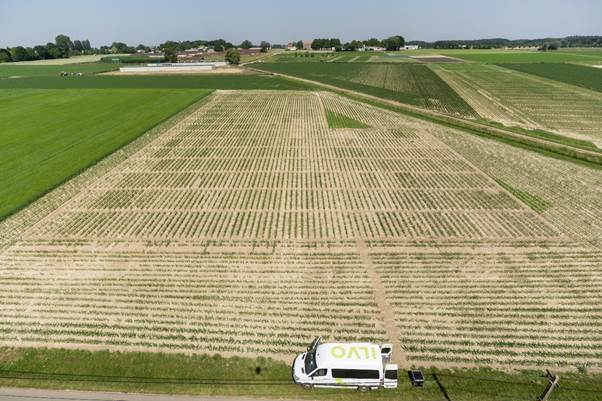
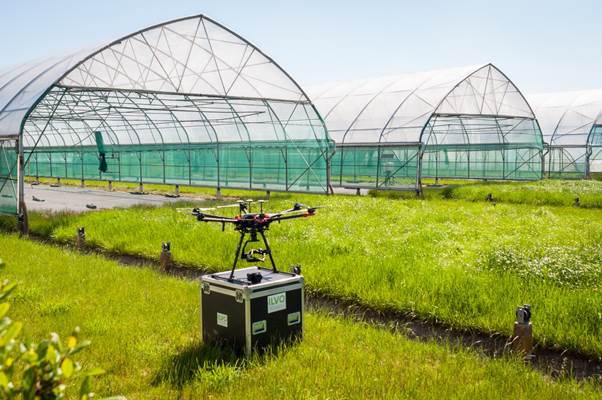
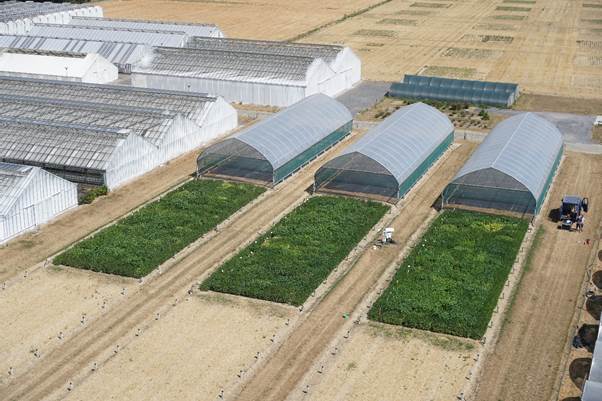
The Plant Sciences Unit, performs research in a wide range of conditions (Figure 1):
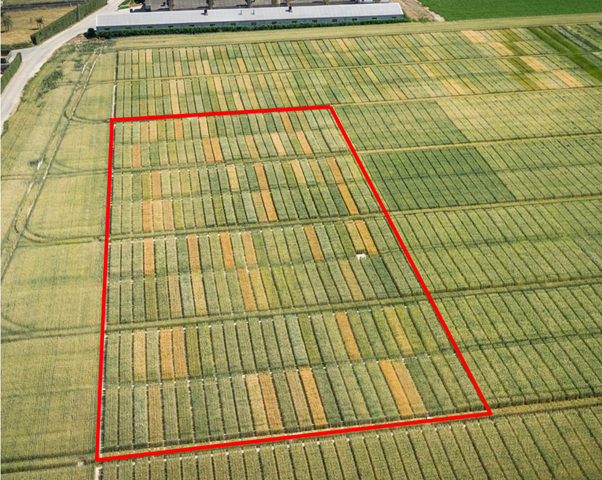
Experimental fields (> 200 ha)
Rainout shelters (drought simulation under field conditions)
Greenhouse (specific compartments for quarantined organisms and GMO)
Growth chambers (full control of conditions including light quality)
Virtual environments: plant and crop models
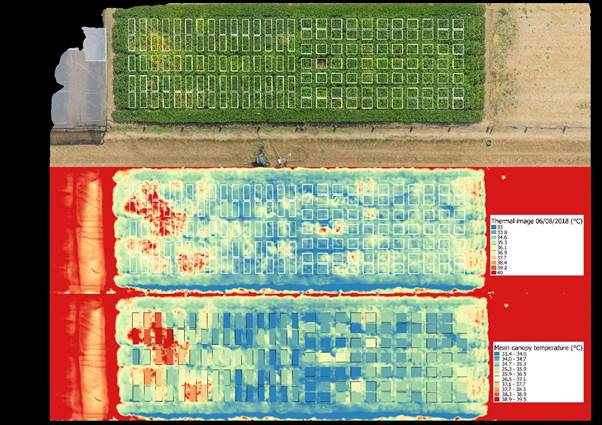
Figure 1: Range of environments in which ILVO-Plant conducts research
In the framework of the CropyQual project, we provide access to following phenotyping facilities and plant and crop models:
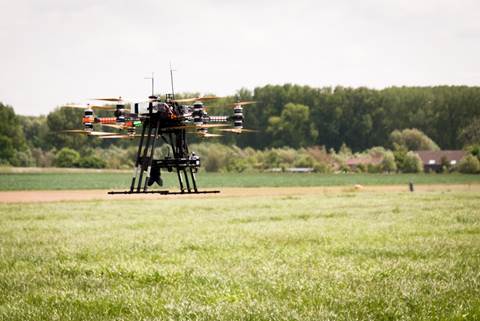
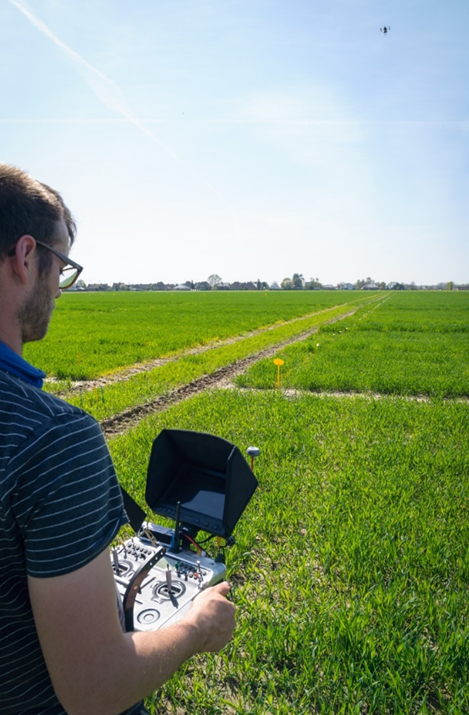
UAVs with RGB, multispectral, hyperspectral and thermal cameras; image processing and data analysis software/scripts (e.g. Metashape, Pix4D, Halcon, ArcGIS Pro, QGIS, R, ImageJ)
FSPM-soybean which simulates soybean plant shoot growth from seed to harvest in three dimensions. This model is the first FSPM that explicitly simulates plant hydraulics and mechanistically connects this to plant organ growth dynamics. It is coded in the GroIMP software. (Figure 2)
AquaCrop model: simple, yet robust simulation model at field scale. Because of the importance of ground cover, it relates very well to UAV or drone imagery. Can be applied for most important crops (maize, wheat, soybean, …)
STICS crop model: process-based crop growth model including more detailed processes. Can be applied for most important crops (maize, wheat, soybean, …)
Figure 2: Visualisation of the FSPM-Soybean from seed to harvest.
Experimental field trials on which phenotyping activities can/will be conducted for 2022 and 2023 are expected for:
Soybean
Quinoa
Flax
Perennial ryegrass
Maize
From 2022 onwards ILVO will have a new Field Above and Belowground Phenotyping System (FABPS) operational, where automatic rainout shelters are used to impose drought stress treatments. This will be combined with frequent UAV flights with RGB, MS and thermal cameras and monitoring of belowground water uptake patterns using Electrical Resistivity Tomography (ERT) allowing to phenotype at very high spatial (ranging between 0.1 and 5 cm above ground and 10 cm below ground) and temporal resolution. This will be a unique facility to study above and belowground traits in response to drought conditions.